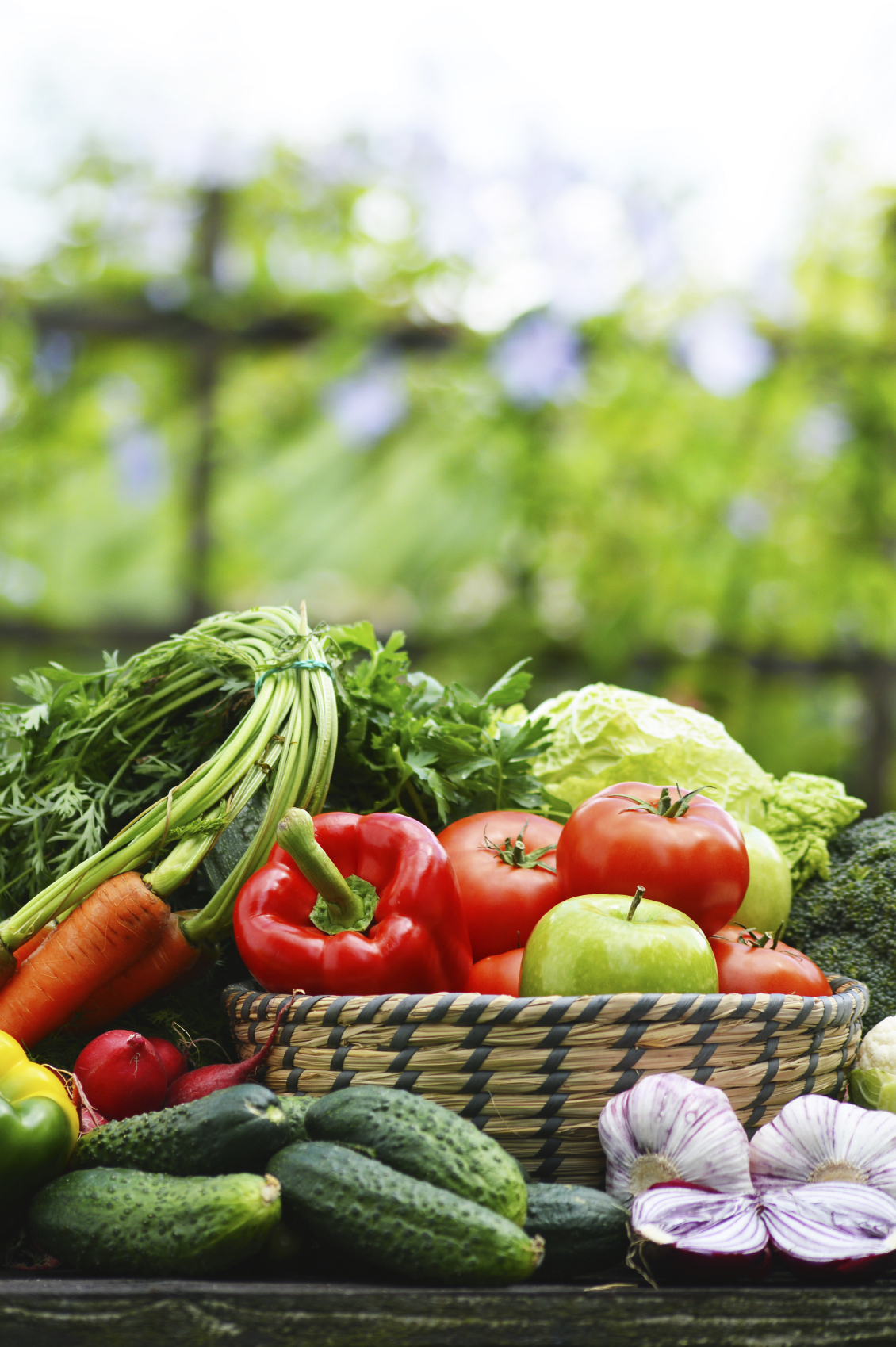
Research shows that incorporating more plant-based foods into your diet may provide significant benefits for people with chronic kidney disease (CKD). A plant-based eating pattern may help lower cholesterol levels, support weight loss or weight maintenance, reduce uric acid levels, and increase fiber intake, which can also help improve blood sugar management.
The Benefits of a Plant-Based Diet
A good place to start is by adding more fruits, vegetables, beans, whole grains, unsalted nuts, and healthy oils to your meals. You do not need to completely eliminate animal products to experience these benefits. Even choosing to eat plant-based one day per week can be a meaningful first step.
It is also important to limit ultra-processed foods, even if they are labeled as plant-based. Foods containing high-fructose corn syrup, refined grains, heavily processed snack foods, and some canned products are examples of items that should be consumed in moderation.
For most individuals, increasing fruit and vegetable intake is an important part of a healthy eating pattern. However, nutrition needs can vary depending on the stage of kidney disease and individual health conditions. It is always important to work with a registered dietitian and your healthcare provider to develop a meal plan that is right for you. While some people may need to limit potassium or phosphorus, these decisions should be made in consultation with your healthcare team.
Learn more about plant based diets and chronic kidney disease here.
Myths About Fruits and Vegetables in Early Chronic Kidney Disease
Many people in the early stages of chronic kidney disease (CKD) avoid fruits and vegetables because they are concerned about their potassium content. However, higher-potassium foods can often be included as part of a healthy diet when portion sizes are monitored and nutrition recommendations are individualized. Working with a registered dietitian and nephrologist can help determine the right amount of potassium for your specific needs.
Understanding your personal potassium goals is an important first step. Research suggests that diets rich in plant foods are associated with improved health outcomes and may help reduce the risk of death in people with kidney disease. Despite this, many individuals restrict fruits and vegetables without knowing whether a potassium restriction is necessary or how much restriction is actually needed.
There are several ways to continue enjoying your favorite fruits and vegetables while managing potassium intake. Strategies may include controlling portion sizes, adjusting how often certain foods are eaten, using cooking methods that help reduce potassium in some foods, and having potassium levels monitored regularly by your healthcare team.
Current research continues to support the benefits of eating more fruits and vegetables, and for many people with CKD, unnecessarily eliminating these foods may do more harm than good. Individualized guidance from a healthcare provider and registered dietitian can help ensure a balanced, nutritious eating plan.
Small dietary changes can have a meaningful impact on your overall health. Talk with your healthcare team about whether incorporating more plant-based foods is right for you.
Sources