National Kidney Month: Early Detection Can Save Lives By Laura Kopp, BSN, RN

Understanding Your Kidneys

March is National Kidney Month, making it the perfect time to talk about two small organs that often go unnoticed until something goes wrong.

Your kidneys do a lot: they filter waste and extra fluid from your blood, balance electrolytes and minerals, control blood pressure, and even help your body make red blood cells.

Chronic kidney disease (CKD) is a condition that develops when the kidneys are damaged and not working properly. CKD develops slowly over time and often doesn’t cause symptoms until later stages.

The good news? Early detection makes a huge difference. Knowing the signs and risk factors gives you the power to protect your kidneys and overall health.

Human kidney cross section on scientific background
Why Early Detection Matters

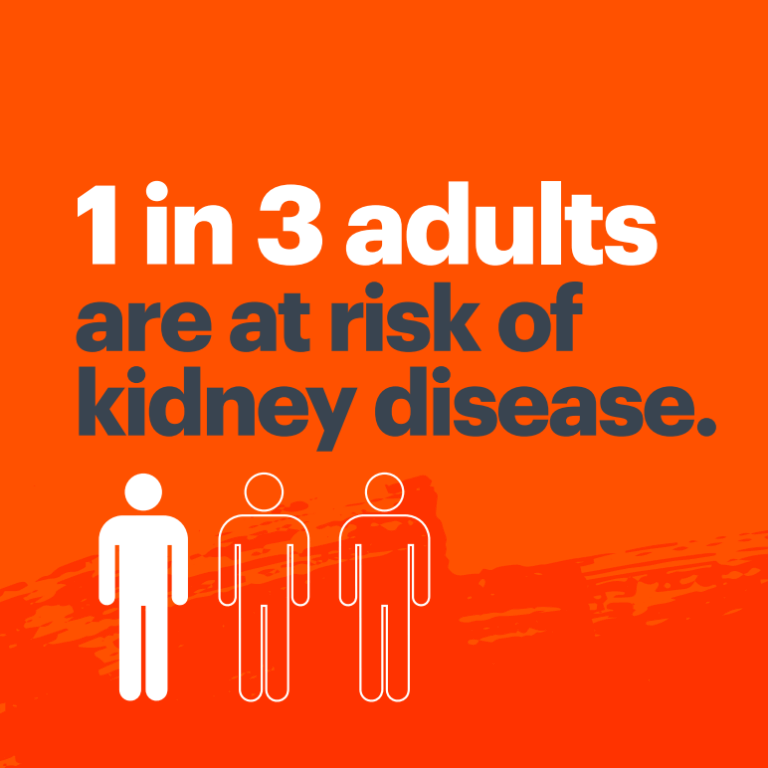
1 in every 3 American adults is at risk for developing CKD. It often sneaks up quietly, progressing gradually with few symptoms. Fortunately, it can be detected early through simple blood and urine tests ordered by your healthcare provider. These tests measure waste products in your blood and protein in your urine to check how well your kidneys are working. Early detection is critical, as it can slow disease progression through lifestyle changes or medical treatments. It can also prevent health complications, such as high blood pressure or anemia, and reduce the risk of cardiovascular events, such as a heart attack or stroke.

Common Risk Factors

The first step in preventing CKD is understanding your likelihood of developing it. Certain factors can put you at increased risk, including:

  • Diabetes (type 1 or 2) – Persistently high blood sugar can damage the kidneys’ filters over time, making it harder for them to remove waste and extra fluid from the blood.
  • High blood pressure – Chronically elevated blood pressure can strain and narrow kidney blood vessels, reducing blood flow and impairing their function.
  • Family history – CKD can run in families, meaning you may be at higher risk if a close relative has been diagnosed with it.
  • Older age – People over 60 years old are more vulnerable, as kidneys naturally lose some function with age and recover more slowly from illness or injury.
  • Smoking – Tobacco use contributes to high blood pressure and heart disease, both of which can harm the kidneys. Smoking can also decrease blood flow to the kidneys, further worsening damage.
  • Obesity – Excess body weight raises the risk of diabetes and high blood pressure, while also forcing the kidneys to work harder to filter waste.


Recognizing Symptoms

While symptoms often develop late, you should still pay attention to changes. These symptoms are not exclusive to CKD, but they warrant a conversation with your healthcare provider:

  • Changes in urinationDamaged kidney filters can lead to more frequent urination, especially at night, or foamy or bloody urine.
  • Low energy levels – Waste buildup in the blood can cause persistent tiredness. Reduced red blood cell production may also lead to anemia and feelings of fatigue or weakness.
  • Skin changes – Itchiness, dryness, or rashes may appear due to waste and mineral imbalances in the body.
  • Swelling – Extra fluid can cause swelling in the feet, ankles, hands, or around the eyes.
  • Poor appetite – Toxins in the blood can lead to digestive discomfort or loss of appetite.
  • Muscle cramps – Changes in fluid and electrolyte balance can cause painful cramps, which may be more noticeable at night.

What You Can Do Today

Even small steps can make a big impact over time. Consider taking these actions to support your kidney health:

  • Get tested – Ask your healthcare provider for simple blood and urine tests to detect problems early.
  • Monitor your blood pressure and blood sugar – Keeping them in healthy ranges can reduce the strain on your kidneys.
  • Stay hydrated – Drinking enough water helps your kidneys remove waste efficiently.
  • Eat a balanced diet – Focus on fruits, vegetables, and low-sodium foods to support kidney function.
  • Maintain a healthy weight – Losing excess weight lowers your risk of diabetes, high blood pressure, and kidney stress.
  • Be physically active – Regular exercise supports healthy blood pressure, weight, and blood sugar levels.
  • Quit smoking – Stopping tobacco use improves blood flow, lowers blood pressure, and slows kidney damage.
  • Know your family history – Sharing it with your healthcare provider can help guide screenings and preventative care.

Take Action for National Kidney Month

Your kidneys may be small, but they play a huge role in your overall health. This National Kidney Month, take steps to protect them. Share this information with family and friends, talk with your healthcare provider about your risk factors, and consider scheduling a kidney health screening. Early detection is key to preventing serious complications.

Want to know if you’re in the 33% of American adults at risk for kidney disease? Take this quick online quiz to find out: www.kidney.org/kidney-quiz. No matter your results, NKFM is here to support you with programs and resources to protect your kidneys.

Learn more by visiting www.nkfm.org/KidneyMonth or calling 800-482-1455.